For construction equipment, mining machinery and harsh-duty drivetrain systems.
Metal face seals are selected where mud, abrasive particles, corrosive media and high loads make conventional radial lip sealing unreliable. This guide explains the selection and installation logic for Cat Duo-Cone and Heavy Duty Dual Face Seals.
1. Why metal face seals suit harsh-duty equipment
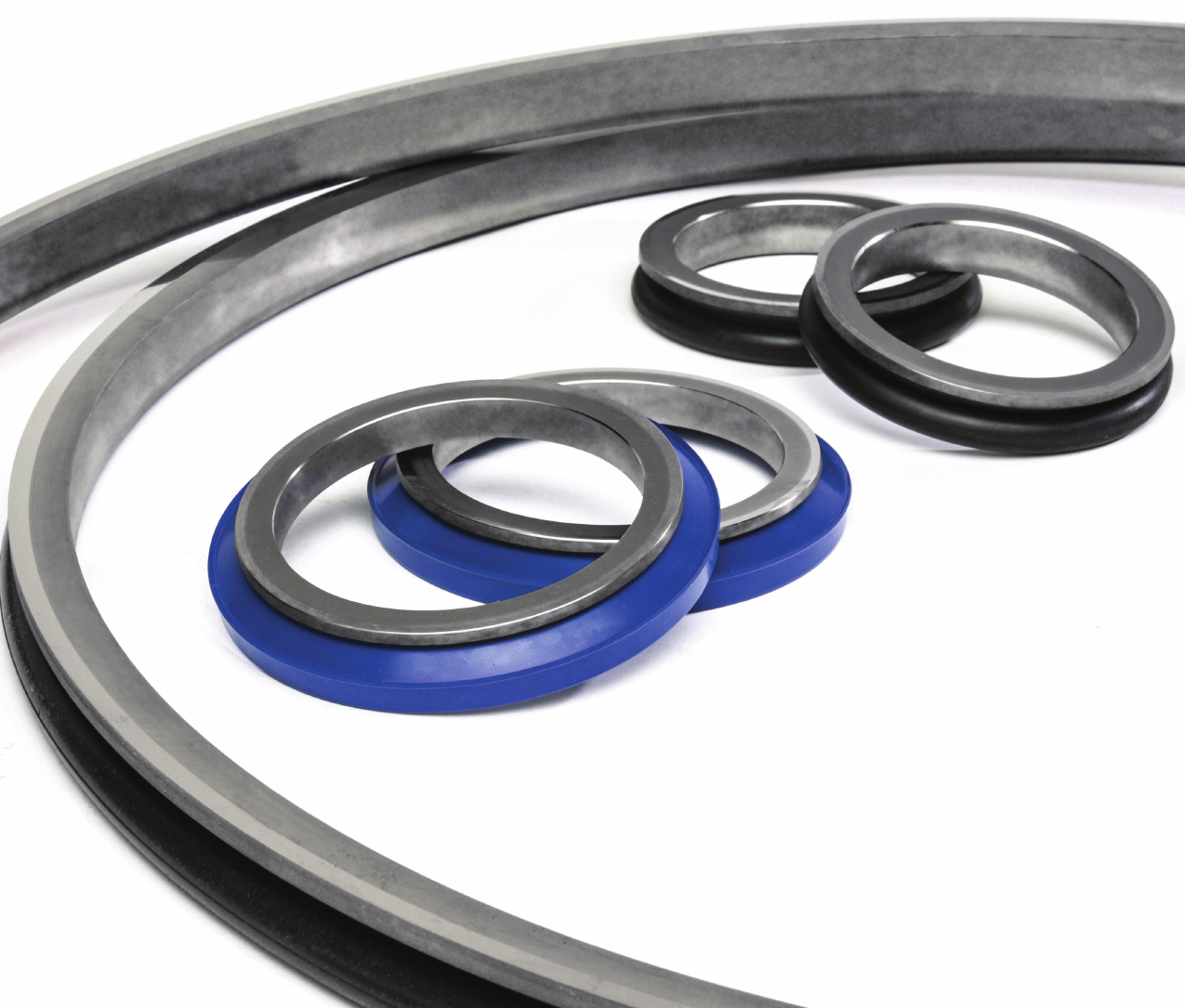
A metal face seal uses two precision-finished metal rings in face-to-face contact. Elastic loading elements maintain axial load and help compensate for normal wear during rotation. The system helps retain lubricant, isolate bearings and gears, resist external contaminants and reduce maintenance frequency.

2. Duo-Cone versus Heavy Duty Dual Face Seal
Cat Duo-Cone seals use a round-section toric loading ring and generally require less radial space. Heavy Duty Dual Face Seals use a Belleville washer and a square-bore housing, offering a more compact axial arrangement. Both designs rely on stable lubricated contact at the metal faces, but their housings, loading elements and installation controls differ.
| Comparison | Duo-Cone | Heavy Duty Dual Face Seal |
|---|---|---|
| Loading element | Round-section toric elastic ring | Belleville washer |
| Space characteristic | Lower radial envelope | Lower axial envelope |
| Installation focus | Do not twist, roll or nick the toric | Washer must sit flat and housing must remain concentric |
3. Material selection
Seal-ring and loading-element materials determine suitability for speed, temperature, corrosion, abrasive contamination and fluid compatibility. Start with the dominant failure driver: high speed and temperature, aggressive corrosion, low-temperature impact, abrasive concentration or lubricant compatibility.
- C6 / Stellite: strong wear, corrosion and scratch resistance for severe abrasive, corrosive or higher-speed environments.
- Ni-Hard: higher speed capability with more limited corrosion resistance.
- Formed / forged: lower-cost options for defined load and space conditions.
- NBR / LT-NBR / HNBR / FKM: select against fluid, temperature range and abrasion exposure.
4. Installation is part of seal performance
Duo-Cone failures often originate outside the metal faces. A twisted toric, misalignment, contamination or housing geometry error can make the elastic ring slide rather than roll on its ramp. The result can be uneven face load, localized wear and leakage.

- Keep the housing ramp, retaining lip, seal ring and loading element clean.
- Seat the elastic ring squarely; do not twist, cut or scrape it on a sharp edge.
- Use the matched installation tool and keep the ring concentric with the housing.
- Apply only a thin film of clean lubricant to the metal faces and bring housings together slowly.
- Inspect four points approximately 90 degrees apart for consistent assembled height and no ring rock.
5. Product-release and selection checklist
- Confirm the seal design: Duo-Cone, inverted Duo-Cone or Heavy Duty Dual Face Seal.
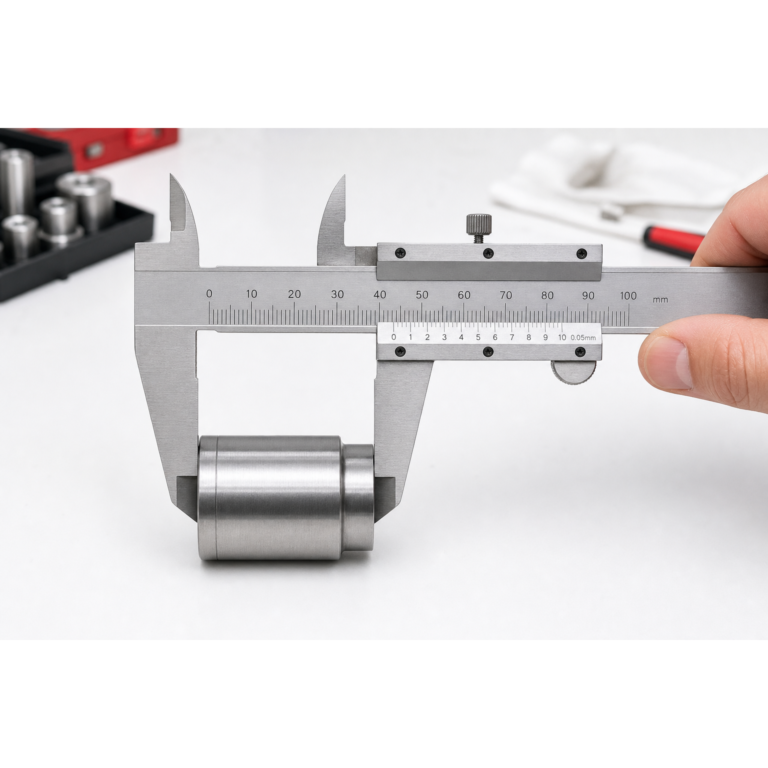
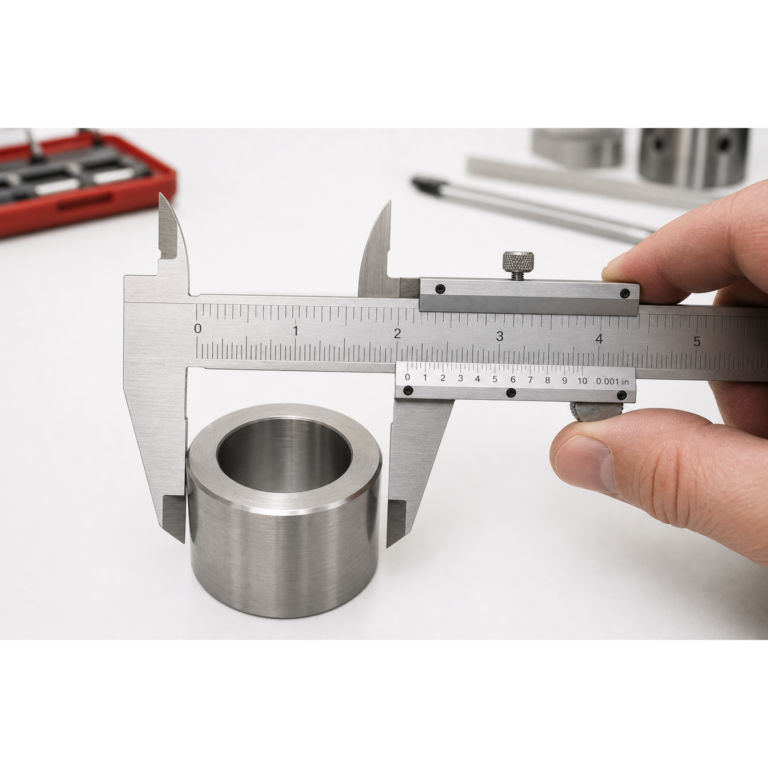
- Confirm inch-based key dimensions: Duo-Cone uses
OD*ID*Housing Dia.*Lip Dia.; Heavy Duty usesOD*Smaller Outer Dia.*Shaft Dia.. - Confirm the material pairing, matched installation tool and assembled-height requirement.
- Complete product information: images, pack weight, stock status, authorization wording and equipment fitment.
Conclusion
Reliable metal face sealing comes from a controlled system: the right structure, verifiable dimensions, matched materials, stable lubrication and disciplined installation. Capturing those conditions in the selection and listing record reduces early failures caused by misapplication or incorrect assembly.
Source: Technical information adapted from the CAT Seals catalogue. For current official product information, visit www.cat.com. Final design, selection and installation must follow the equipment drawing, current OEM documentation and actual operating conditions.