
The Sealing Principle of O-Rings: How They Work in Static, Reciprocating, and Rotary Applications

The Sealing Principle of O-Rings: How They Work in Static, Reciprocating, and Rotary Applications

O-rings, also known as O-ring seals, are rubber rings with a circular cross-section. They are one of the most widely used sealing solutions in hydraulic, pneumatic, and mechanical systems. Thanks to their excellent sealing performance, simple design, and versatility, O-rings can be used for both static and dynamic applications. When the right material is selected, they can handle pressures from vacuum (1.333 × 10⁻⁵ Pa) up to 400 MPa and temperatures ranging from -60°C to 200°C.
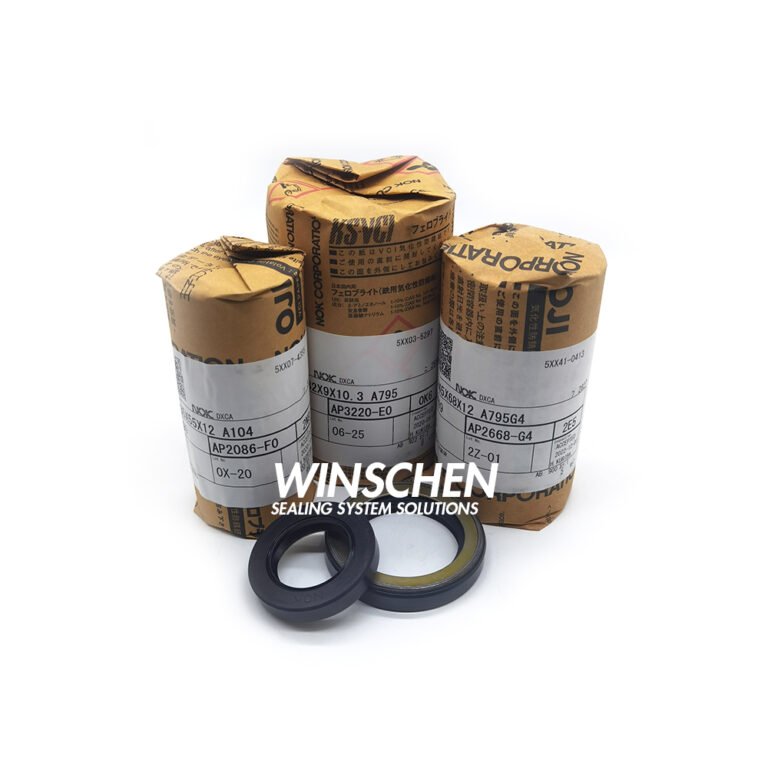
Technical Guide to Rubber Oil Seals: Selection, Materials, and Maintenance

Technical Guide to Rubber Oil Seals: Selection, Materials, and Maintenance

Rubber oil seals are essential components in mechanical equipment. They create a reliable barrier between rotating shafts and stationary housings, preventing lubricant leakage while blocking dust, water, and contaminants from entering the system. This helps significantly extend the service life of bearings, gearboxes, and hydraulic components.

In heavy machinery such as excavators, loaders, agricultural equipment, and industrial systems, the performance of rubber oil seals directly affects equipment reliability and maintenance costs.

Конец содержания

Конец содержания